Space Experiments
-
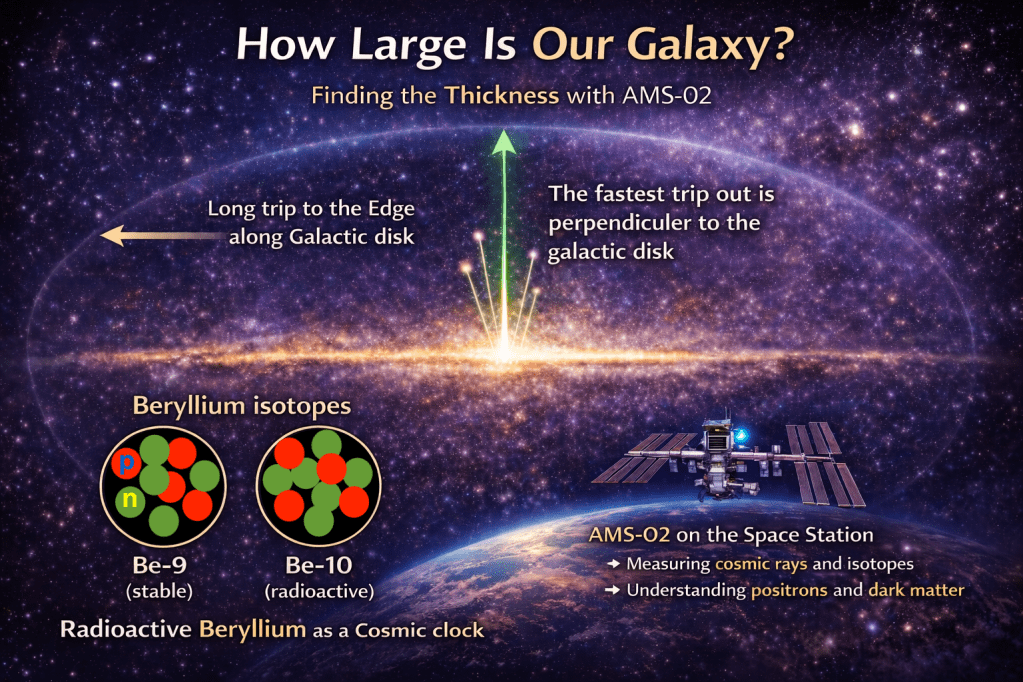
How fast could we leave our Galaxy?
How large is our Galaxy beyond the stars we can see? Cosmic rays travel through an invisible halo around the Milky Way before escaping into space. Some of these particles are radioactive and decay over time. By measuring radioactive and stable isotopes with the AMS-02 experiment, we can estimate the…
-

Machine Learning: From Road Sign Recognition to Particle Physics Challenges
I wanted to test how well ChatGPT can help write a blog post, so I gave it the challenge of explaining deep learning from how autonomous cars learn from human drivers to how particle physicists use ML to find rare events. The result? I think it’s a solid piece. Still,…
-
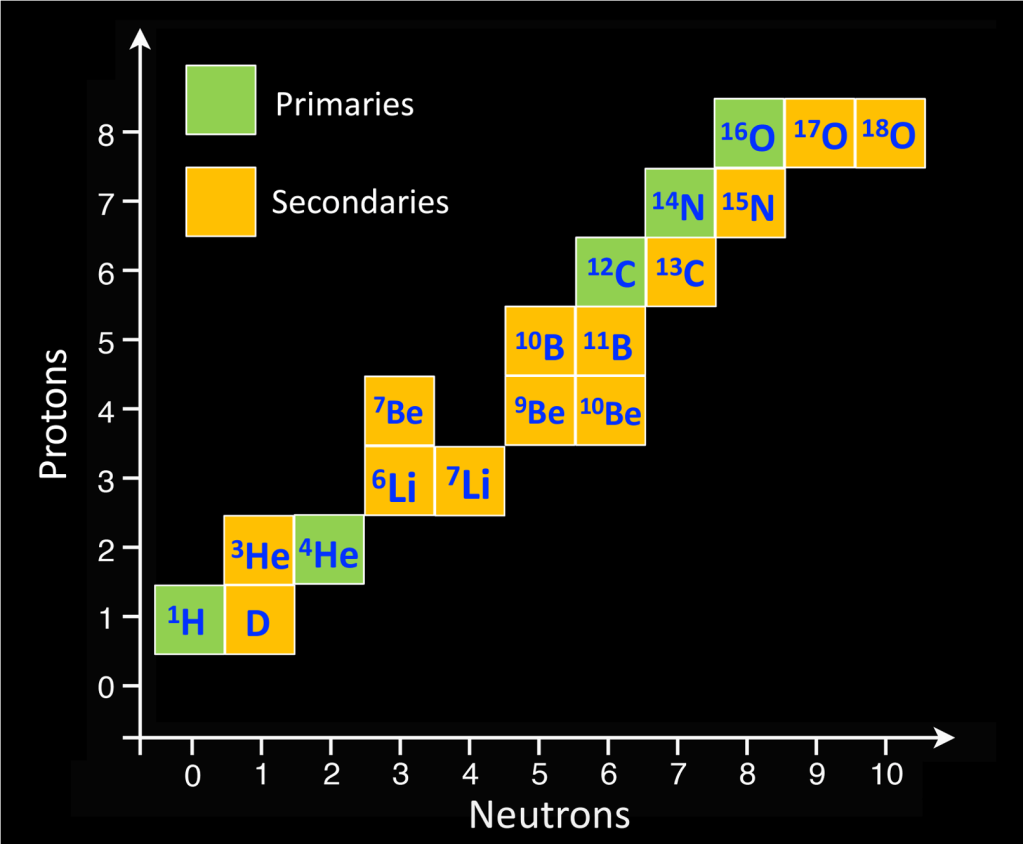
New AMS Results on Lithium Isotopes Illuminate Cosmic Ray Origins
The Alpha Magnetic Spectrometer (AMS) Collaboration has just published the first high-precision measurements of lithium isotopes in cosmic rays, based on more than a decade of data from the ISS. This marks a major milestone in cosmic-ray physics, shedding new light on the production and propagation of light elements in…
-
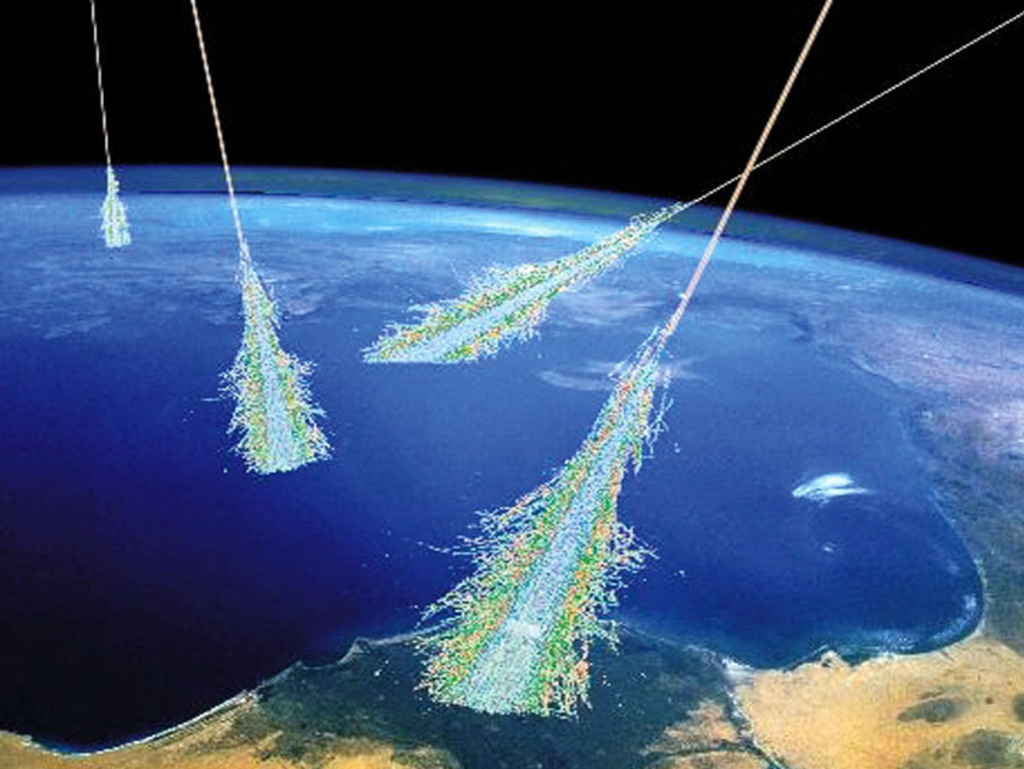
Космические лучи от открытия до наших дней.
На днях я прочел лекцию про космические лучи для школьников в недавно открывшемся Алматинском филиале своего родного вуза НИЯУ МИФИ. На лекции рассказывал немного про открытие космических лучей, но больше про их регистрацию в современных экспериментах, в особенности при помощи AMS.
-
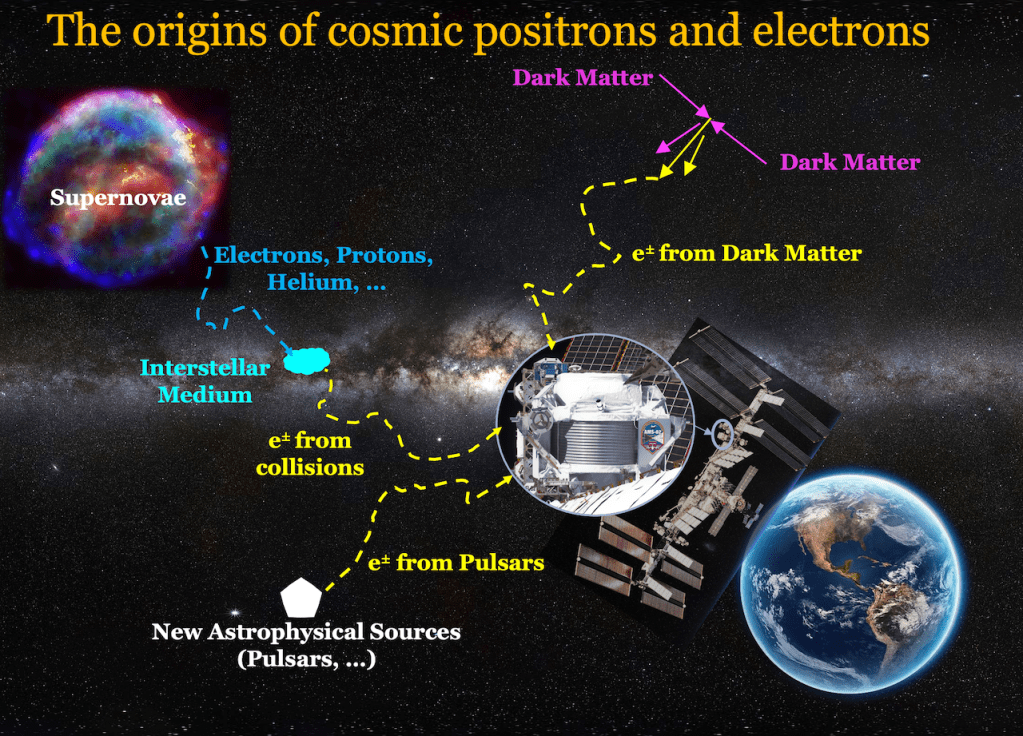
Frontiers of Fundamental Science
Recently, two articles about the origin of cosmic ray elementary particles and antiparticles were published with my key involvement. I decided it would be useful to accompany these publications with a brief popular summary, as well as my opinion on the current academia requirements for the publications.
-
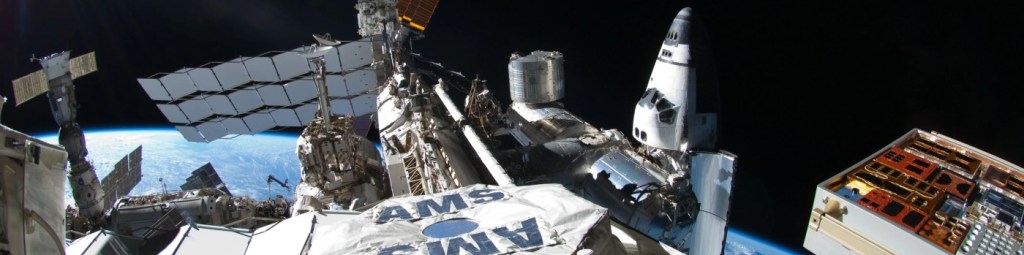
Cosmic-Ray Elementary particles: results from the Alpha Magnetic Spectrometer
You can learn about recent measurements of cosmic ray particles and antiparticles from my recent scientific seminar in Paris. Slides are in the post.
 Main page